
What began as a response to crisis is now entering a new phase.
Makani was established in 2015 during the Syrian refugee crisis to support vulnerable children, young people and families in Jordan. More than a decade later, the focus is increasingly on ensuring that these services are sustainably anchored within the country’s national social protection system under the leadership of the Ministry of Social Development (MoSD).
A new project is supporting that transition.
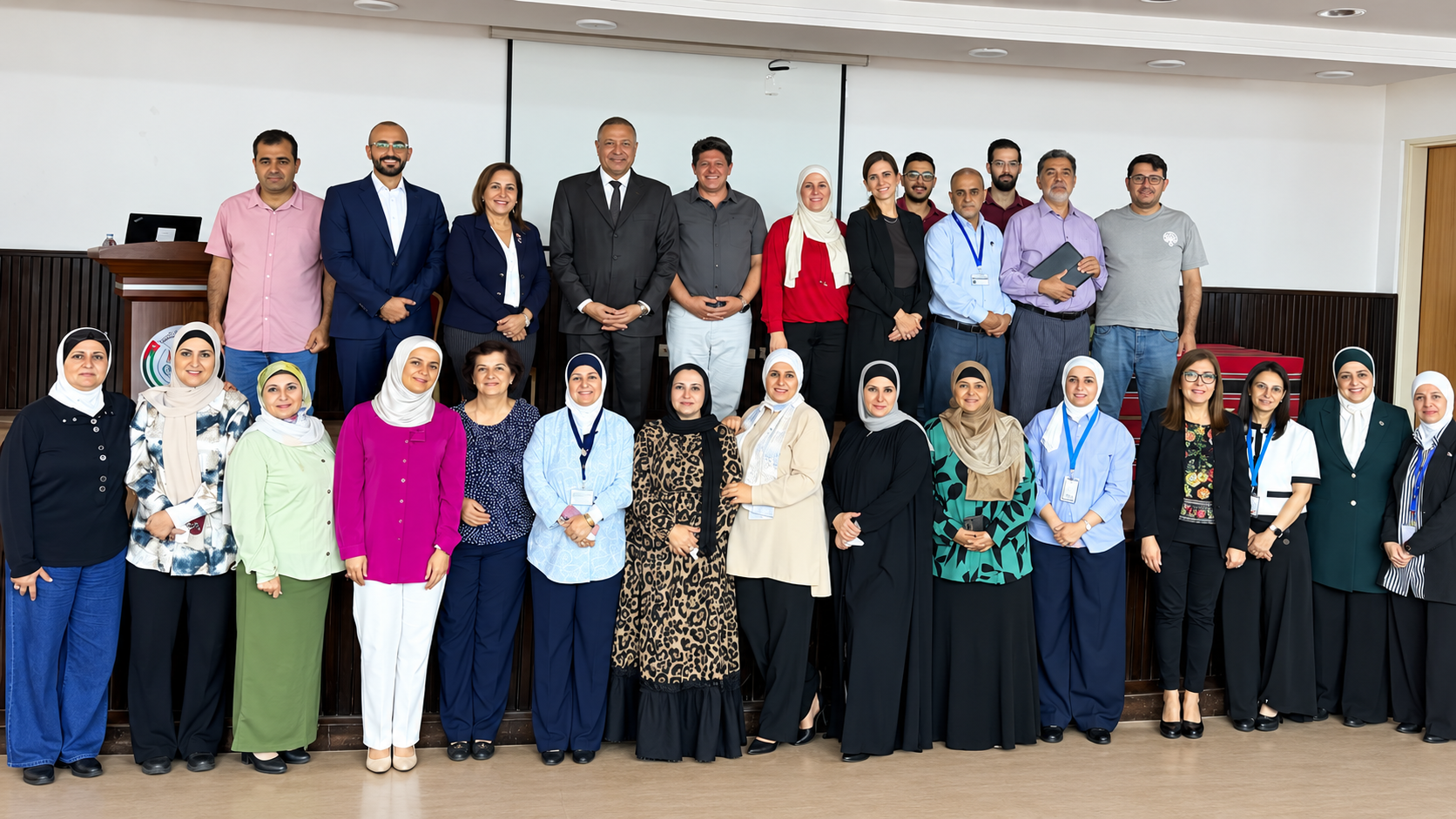
On 27 August 2026, representatives from MoSD, KfW Development Bank, UNICEF and relevant NGOs gathered at the Ministry’s headquarters in Amman for the kick-off workshop of “Support to the Ministry of Social Development for the Implementation of Makani Services.” The meeting marked the official start of project implementation and brought the organisations involved together around the priorities and coordination needed for the work ahead.
At the heart of the project is a straightforward but important objective: helping MoSD build the capacities, processes and systems needed to lead Makani services sustainably. Rather than creating parallel structures, the focus is on strengthening the institutional foundations that can support implementation over time.
The project focuses on strengthening the institutional foundations needed for sustainable Makani service delivery by:
- Strengthening MoSD teams and institutional capacity.
- Clarifying processes and improving coordination systems.
- Supporting continuity and long-term sustainability of services.
- Ensuring capacities remain within MoSD beyond the project period.
The project is financed through German Financial Cooperation via KfW Development Bank and brings together complementary strengths: MoSD’s institutional leadership, UNICEF’s longstanding experience with Makani, and GOPA’s technical and local implementation capacity. GOPA Tech GmbH and GOPA Pro are implementing the project together, building on GOPA Tech’s established presence through its Jordan branch office.
For GOPA, the project also builds on its continued presence in Jordan and its work alongside Jordanian public institutions. Here, GOPA’s contribution is deliberately institutional: supporting MoSD not only in the implementation of Makani services, but in strengthening the internal capacities, processes and systems needed to manage and sustain those services over time. This institutional-strengthening approach is intended to leave lasting capability within the Ministry and reinforce nationally led delivery.
The significance goes beyond the start of a new project. It is part of a longer-term shift towards placing Makani within sustainable national structures — helping turn experience gained through humanitarian response into institutional capacity that can continue delivering over time.